

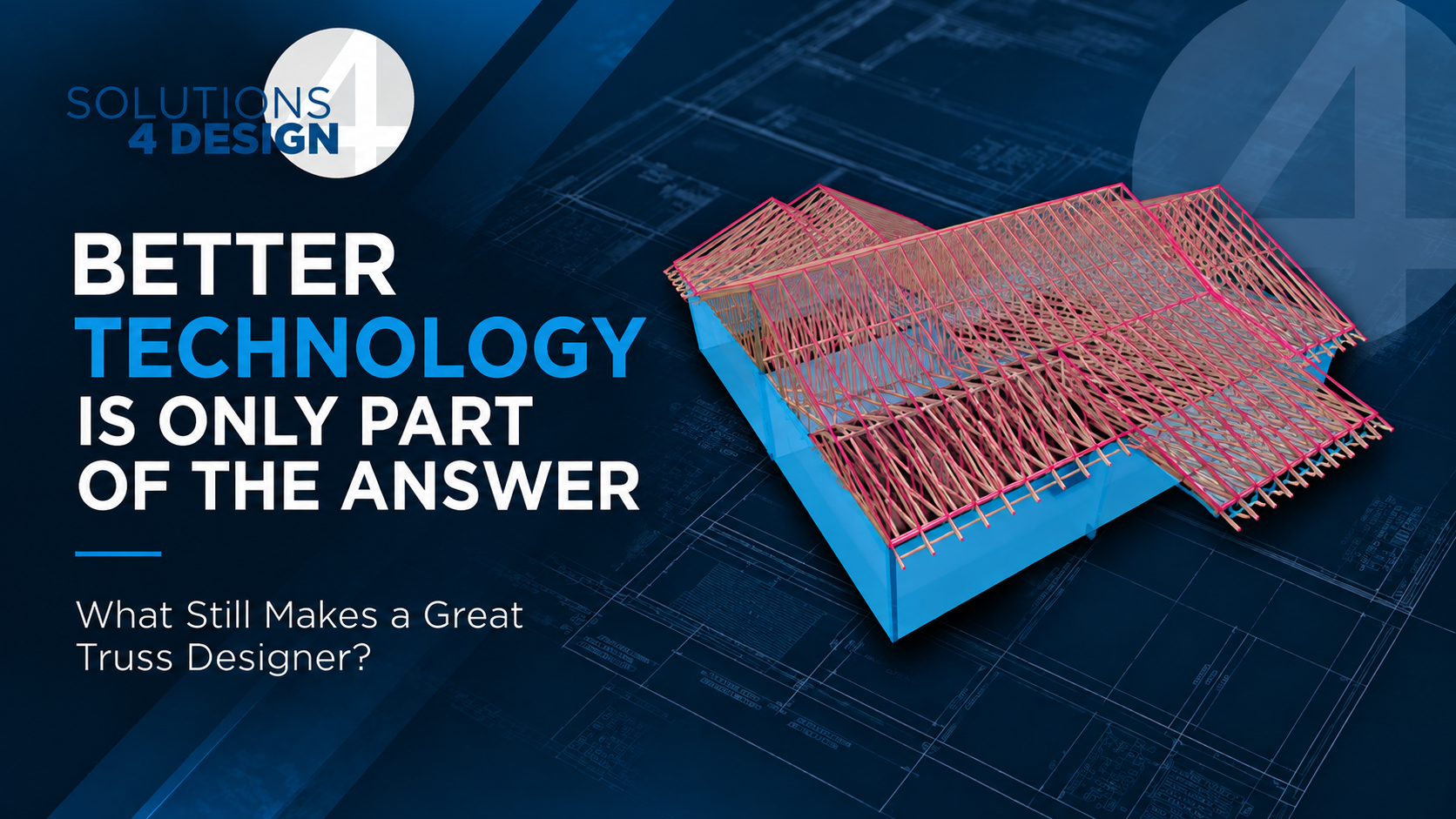
Better Technology Is Only Part of the Answer: What Still Makes a Great Truss Designer?
A follow-up to our recent discussion about technology, design capacity, and why experienced people still matter in an increasingly digital component industry.*
Technology Has Changed the Way We Design
In our last Knowledge Center article, we talked about how Solutions 4 Design combines experienced designers, scalable design resources, and modern technology to provide better support for component manufacturers, architects, and engineers.
The Paragon design platform is an important part of that conversation. It gives our team greater flexibility across plate systems, improves collaboration, and allows design information to move more efficiently between different software and manufacturing environments. Those capabilities help us integrate into a customer’s existing operation rather than asking the customer to rebuild its workflow around us.
But after more than 30 years in this industry, I’ve learned something that hasn’t changed nearly as much as the technology:
The software is only as valuable as the person using it.
That’s worth talking about because the component industry is going through another major technology shift. Cloud-based platforms, BIM, automation, artificial intelligence, and increasingly connected manufacturing systems are giving designers capabilities we couldn’t have imagined earlier in our careers.
Those tools can make a good designer considerably more effective. They don’t automatically make someone a good designer.
A Truss Is More Than a Drawing on a Screen
An experienced designer isn’t simply trying to make a truss work inside a software program. The designer has to understand what happens after that design leaves the computer.
Someone has to manufacture it. Someone has to handle it, deliver it, set it, connect it to the rest of the structure, and build around it. Decisions made during design can affect:
- Material usage
- Production efficiency
- Engineering
- Installation
- Scheduling
- Performance of the completed building
That’s why experience still matters.
A designer who understands manufacturing thinks differently about a project. The question isn’t simply whether the software says the design works. The designer is also considering whether the solution makes sense for the plant that has to manufacture it and the people who eventually have to build it.
That practical understanding is difficult to replace with technology.
Better Software Gives Experienced People More Options
Where technology becomes powerful is when you put better tools in the hands of people who already understand the work.
Using the Paragon design platform gives Solutions 4 Design additional flexibility when supporting different customers. Its cloud-based environment allows our designers to collaborate remotely, work across commonly used connector-plate systems, and produce information that can fit into a variety of downstream workflows.
That flexibility matters because every manufacturer is different:
- Equipment differs.
- Plate systems differ.
- Internal standards differ.
- Customers differ.
- Production workflows differ.
Even two plants manufacturing similar components may have very different preferences for how projects are designed and moved through production.
We don’t believe a customer should have to completely change a successful operation simply because they’re adding outside design capacity. Our responsibility is to understand that environment and determine how our designers and technology can fit into it.
Communication Is Still Part of Design
One of the most overlooked skills in design is communication.
Not every problem is solved by calculating something differently. Sometimes the designer needs to recognize that information is missing, understand who needs to answer the question, and communicate the issue clearly enough that the project keeps moving.
That becomes even more important when manufacturers, architects, engineers, contractors, and outside design resources are working together.
A designer who asks the right question early can prevent several people from dealing with a much larger problem later.
Technology can make that communication faster. Cloud-based systems can make information easier to access and share. But somebody still has to understand what question needs to be asked.
Moving Design Further Upstream
This is also why we’re interested in becoming involved earlier in the project.
Solutions 4 Design isn’t limited to supporting component manufacturers after a project has already reached the plant. We can also work with architects and engineers during the pre-fabrication stage to help coordinate component layouts and designs before those projects are released to manufacturers for bidding.
That creates an opportunity to address potential:
- MEP conflicts
- Point loads
- Tie-down requirements
- Wind-design considerations
- Structural interfaces
- Other component-related issues
These issues can be addressed while the architect and engineer still have control over the overall design.
There is a significant difference between resolving those questions during design and discovering them after a manufacturer has already bid the project—or worse, after fabrication has begun.
Early coordination gives experienced designers and better technology an opportunity to solve problems where they’re least expensive to fix.
Experience and Technology Should Work Together
There’s a tendency whenever a new technology arrives to ask what jobs it will replace.
I think there’s a better question for our industry:
What can experienced people accomplish when we give them better tools?
Software can perform calculations incredibly quickly. It can organize information, automate repetitive processes, identify conditions, and make collaboration easier. Those capabilities will continue improving.
Experienced people provide judgment.
They understand why something worked on one project and failed on another. They recognize unusual conditions. They understand manufacturing realities that may not be obvious from a model. They know when something deserves another look.
The strongest design organization isn’t going to choose between people and technology.
It’s going to combine them.
Building a Better Design Resource
That’s the direction we’re taking at Solutions 4 Design.
We’re building a design organization capable of supporting component manufacturers, architects, and engineers across:
- Roof and floor truss design
- Design management
- AutoCAD drafting
- Revit modeling
- Material takeoffs
- Architectural production support
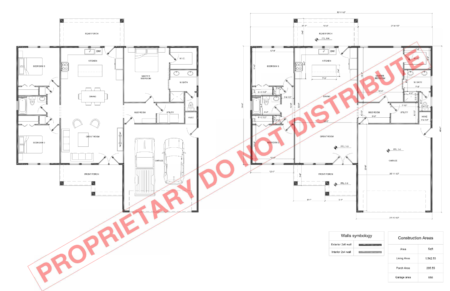
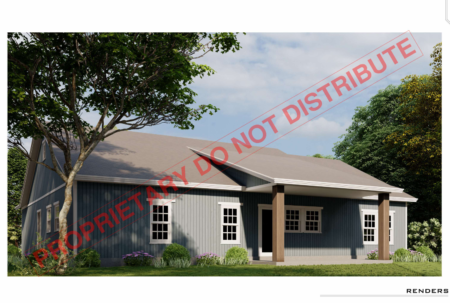
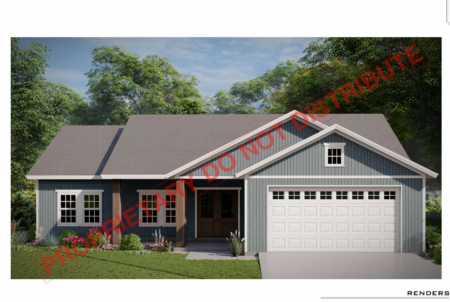
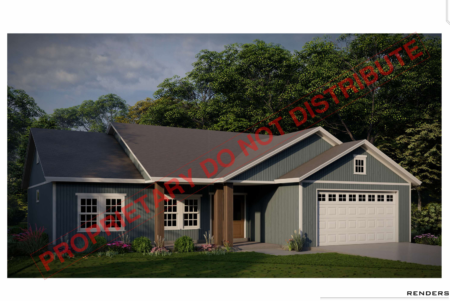
- Professional renderings
- Pre-fabrication coordination
Technology allows that organization to operate across geography and different manufacturing environments. Experience is what makes the organization useful.
Our goal isn’t to sell customers access to another piece of software. Our goal is to provide experienced design capacity supported by technology that allows those people to do their jobs more effectively.
Jarred’s Perspective
“I’ve been around design, building, and construction for more than 30 years, and I’ve watched the tools change dramatically. What hasn’t changed is the value of someone who understands what they’re designing and what happens after that design leaves their computer.
I’m excited about what platforms like Paragon allow our team to do because they give experienced people more flexibility. But the technology isn’t the service. Our people are the service. The technology helps those people communicate better, work across different environments, and spend more of their time solving design problems.
That’s the combination we’re continuing to build at Solutions 4 Design.”
Better Tools. Experienced People. Better Results.
Technology is going to continue changing component design. It should.
Anything that improves collaboration, reduces unnecessary work, gives designers better information, or helps manufacturers operate more efficiently deserves serious attention.
But we shouldn’t confuse better tools with the experience required to use them effectively.
For Solutions 4 Design, the future isn’t people or technology.
It’s experienced people supported by better technology—and a design organization capable of becoming an extension of the teams our customers already trust.
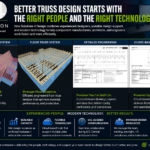
Continue Reading: Better Truss Design Starts With the Right People and the Right Technology
Add a comment